

You’re likely feeling overwhelmed if you’re dealing with financial issues. Mounting bills, calls from creditors, and the uncertainty about your financial future all cause stress. Considering bankruptcy can add to this stress and make your situation seem worse. However, bankruptcy can be a powerful tool for helping you overcome financial challenges, and understanding the process takes a lot of the overwhelm out of the equation.
One of the first questions many people have is simple: What do I need to do to file for bankruptcy in Florida?
The answer depends on several factors, including the type of bankruptcy you are considering. However, most individual filers must complete credit counseling, gather detailed financial information, complete required bankruptcy forms, and meet specific filing requirements before their case can move forward.
What Do You Need to File for Bankruptcy in Florida?
Bankruptcy is filed in federal court, not Florida state court. Before filing, an individual generally must complete a credit counseling course through an approved provider within 180 days before filing. The certificate showing completion is generally submitted with the bankruptcy petition.
You will also need extensive information about your financial situation. This can include your income, expenses, assets, debts, creditors, financial accounts, property, and recent financial transactions.
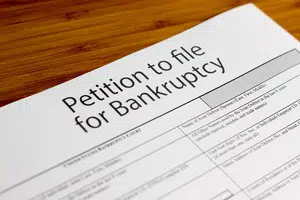
The court requires specific forms, and those forms must be complete and accurate. Missing required documents can delay a case or, in some circumstances, result in dismissal.
What Is the Difference Between Chapter 7 and Chapter 13 Filing Requirements?
The basic filing process is similar, but Chapter 7 and Chapter 13 have important differences.
Chapter 7 is generally designed to provide a discharge of qualifying debts without requiring a long-term repayment plan. Individual Chapter 7 filers must complete forms addressing current monthly income and, when applicable, the bankruptcy means test.
Chapter 13 involves creating a repayment plan that generally lasts several years. Chapter 13 filers must provide additional information concerning income, expenses, disposable income, and the proposed repayment plan.
Choosing between the two is not simply a matter of selecting the chapter with the shortest list of paperwork. Your income, property, debts, financial history, and goals can all affect which option makes sense.
3 Common Questions About Filing for Bankruptcy
Do I have to take credit counseling before filing?
Generally, yes. Individual debtors must complete an approved credit counseling course before filing, subject to limited exceptions. When spouses file a joint case, each spouse generally must complete the requirement separately.
How much does it cost to file for bankruptcy?
Filing fees depend on the bankruptcy chapter and can change. The federal bankruptcy court currently lists a $338 filing fee for Chapter 7 and $313 for Florida. Certain individuals may qualify to pay a fee in installments, and qualifying Chapter 7 filers may be able to request a fee waiver.
Can I file bankruptcy without a lawyer?
Technically, you can, but for most people, doing so is a costly mistake. The bankruptcy process involves detailed forms, legal requirements, deadlines, and decisions that can have significant financial consequences. A mistake involving income, property, creditors, or exemptions can create problems that are difficult to correct later.
Why Accurate Information Matters
Filing for bankruptcy requires more than just filling out a few forms. The information you provide helps determine how your case proceeds and what property and debts are involved. For example, bankruptcy exemptions must be properly claimed, and income information can affect eligibility for Chapter 7 relief.
That is why gathering your financial records before filing is so important. It also gives a bankruptcy attorney an opportunity to identify potential issues before they become problems.
If you are considering bankruptcy and are unsure where to begin, the Law Offices of Robert M. Geller can help you understand the Florida filing requirements that apply to your situation. Getting answers before filing can make the process less intimidating and help you move forward with a clearer understanding of your options.



















![Signs That You May Need to File Bankruptcy [Infographic]](https://www.attorneyfortampabay.com/wp-content/uploads/2021/01/signs-chap7-v-chap13.jpg)
![How To File for Bankruptcy [Infographic]](https://www.attorneyfortampabay.com/wp-content/uploads/2020/07/bankruptcy-steps-infographic-web.jpg)