


Understanding Public Records and Bankruptcy
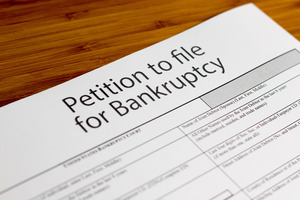
Bankruptcies are indeed part of the public record in the United States. But what does this mean? Essentially, when you file for bankruptcy, your case is documented by the court system, and these records are accessible to the public. This means that details about your bankruptcy filing, including your case number, the type of bankruptcy filed (such as Chapter 7 or Chapter 13), and the outcomes, become part of the public record.
Why Are Bankruptcies Public Record?
The public nature of bankruptcy filings serves several purposes. It upholds the principles of transparency and accountability within the judicial system. By making these records accessible, it helps to prevent fraud and abuse of the bankruptcy process. Creditors and other interested parties can verify the status of your case and ensure that proceedings are conducted fairly and legally.
How Public Are These Records?
While bankruptcy records are technically public, they are not as easily accessible as one might think. Typically, accessing bankruptcy records requires knowledge of certain details. This includes your case number, or a visit to the court where the case was filed. This means that while your bankruptcy information is public, it is not widely broadcasted or easily searchable without specific information.
What Information Is Included?
Bankruptcy records generally include your name, address, the type of bankruptcy filed, the date of filing, and the status of the case.
However, sensitive personal information, such as your Social Security number and specific account numbers, is redacted for your protection. Note that while these records are public, they are primarily used by individuals and entities with a legitimate interest in the case. For example, creditors and legal representatives.
Impact on Credit Reports
In addition to being a public record, bankruptcy also appears on your credit report. This is not public but can be accessed by lenders and potential employers with your permission. This differs from the court’s public records and can affect your creditworthiness. Chapter 7 bankruptcy, for example, remains on your credit report for up to ten years. Chapter 13 bankruptcy is reported for seven years.
Taking Control of Your Financial Future
Bankruptcy is a difficult but sometimes necessary step for those facing overwhelming debt. While the process is public, it’s important to understand that the information is not as easily accessible as one might fear. And for most people, it’s the financial solution they need.
We can help you take the first step toward reclaiming your financial stability. Contact the Law Offices of Robert M. Geller today to learn more about your options and how we can assist you through this process with confidence and care.




















![Signs That You May Need to File Bankruptcy [Infographic]](https://www.attorneyfortampabay.com/wp-content/uploads/2021/01/signs-chap7-v-chap13.jpg)
![How To File for Bankruptcy [Infographic]](https://www.attorneyfortampabay.com/wp-content/uploads/2020/07/bankruptcy-steps-infographic-web.jpg)